
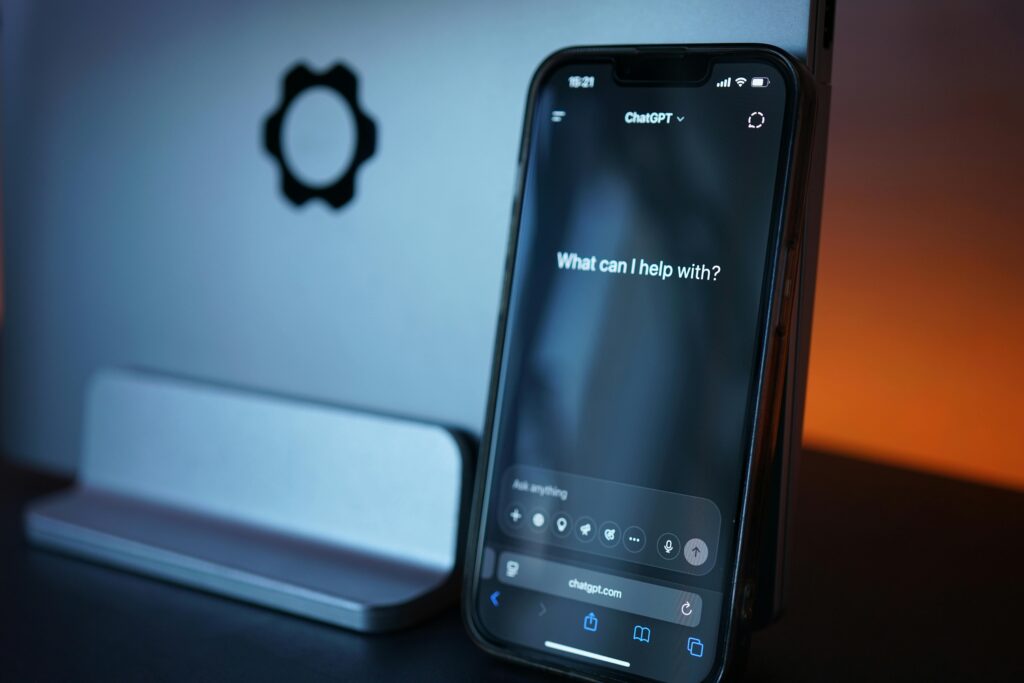
The Future of Interfaces: AI-Driven UX and Voice Navigation
The digital landscape is currently undergoing its most significant transformation since the invention of the smartphone. We are moving away from an era of “command and click” toward an era of “intent and intuition.” At SOUTECH Multimedia, we have been a driving force in digital branding since 2010, and as we look toward the next decade, it is clear that the interfaces of the future will be invisible, intelligent, and incredibly personal.
Predicting the next decade of multimedia interaction requires a deep understanding of how Artificial Intelligence (AI) and Natural Language Processing (NLP) are merging with traditional design. For businesses to stay ahead, they must transition from building static pages to creating dynamic, AI-driven ecosystems.
Phase 1: The Shift from Graphical to Generative UI
For thirty years, User Interface (UI) design has been dominated by the Graphical User Interface (GUI)—buttons, menus, and windows. However, we are now entering the age of the Generative User Interface (GenUI).
1. From “Static Templates” to “Liquid Realities”
In the traditional GUI era, designers created fixed templates. Whether a user was an expert or a novice, they saw the same buttons and menus in the same places.
- The Constraint: This forced users to learn the “language” of the software (where the “save” icon is, how the “filter” works).
- The GenUI Revolution: Generative UI does not exist until the user expresses an intent. Using Natural Language Processing (NLP), the interface “materializes” in real-time. If you ask a financial app to “analyze my spending,” the app doesn’t just show a list; it generates a custom dashboard with specific charts and widgets tailored only to that request.
2. Intent-Based Interaction (The “Invisible” UI)
The GUI model is imperative: you must tell the computer how to do something by clicking a series of buttons. GenUI is declarative: you tell the computer what you want to achieve, and it handles the “how.”
- Reduced Cognitive Load: Users no longer need to navigate 15-screen journeys to find a feature. The AI surfaces the necessary controls at the exact moment of need. This aligns with our core mission of fostering meaningful connections by removing the technical friction between a brand and its audience.
3. Hyper-Personalization: The End of “One Size Fits All”
GenUI allows for a Premium Brand Identity that is truly individual. Since the interface is generated on the fly, it can adapt to:
- Technical Literacy: A novice might get a simplified UI with guided tooltips, while a power user gets a dense, data-rich environment.
- Accessibility: The UI can automatically adjust contrast, font size, or navigation patterns based on the user’s specific physical or cognitive needs without requiring manual settings.
- Context: The interface can change based on the user’s location, time of day, or urgency of the task.
4. The Designer’s New Role: From Architect to Curator
For firms like SOUTECH, GenUI doesn’t eliminate the designer; it elevates them.
- Design Systems as Logic: Instead of designing static screens, we now design Design Systems and Logic Trees. We define the “Sacred Elements”—the colors, typography, and brand “soul”—and the AI uses those rules to generate thousands of consistent, high-fidelity variations.
- Curated Excellence: Our role becomes ensuring Integrity and Quality in the AI’s output. We move from building the “box” to defining the “atmosphere” in which the interaction happens.
Phase 2: Voice Navigation and the VUI Revolution
As screen fatigue grows, Voice User Interfaces (VUI) are becoming the primary touchpoint for multimedia interaction. Voice navigation is no longer just about asking for the weather; it is about complex, multi-layered transactions.
1. Conversational Commerce
The future of e-commerce is thumb-free. We envision a world where a user can say, “Order a pizza for the game tonight based on my usual preferences,” and the AI handles the selection, payment, and tracking. For businesses, this means that your “Packaging and Label Design” must now have a “Voice Identity”—how does your brand sound when it speaks?
2. The Ambient Web
Voice navigation allows the internet to move from our pockets into our environments. Through smart glasses and IoT devices, digital branding will be layered over the physical world. This “Ambient UX” requires a blend of visual and auditory cues that provide information without being intrusive.
Phase 3: Predictive UX – Solving Problems Before They Occur
The most powerful interface is the one the user doesn’t have to use. Predictive UX uses Machine Learning to anticipate a user’s needs before they explicitly state them.
- Anticipatory Design: If a student using an academic progress tracking app typically checks their grades at 4:00 PM, the AI-driven UI will surface that data at 3:59 PM, eliminating the need for navigation.
- Frictionless Transitions: AI will bridge the gap between different multimedia platforms. If you start a search on your watch, your laptop should already have the relevant high-fidelity wireframes ready when you open it.
Phase 4: The Ethical Frontier – Integrity in the Age of AI
As an organization committed to Integrity, we recognize that AI-driven UX brings significant responsibilities.
- Transparency: Users must know when they are interacting with an AI.
- Data Privacy: Predictive UX requires data, but that data must be handled with multi-layered defense systems and ethical standards.
- Bias Mitigation: AI models must be trained to ensure that the “Global Leader” status of a brand is inclusive and free from cultural or gender bias.
Phase 5: How Businesses Can Stay Ahead
The transition to the future of interfaces doesn’t happen overnight. Since 2010, SOUTECH Multimedia has followed a refined process to keep our clients at the forefront of design trends:
- Discovery & Research: Identifying how AI and Voice can solve your specific business challenges.
- Strategy & Planning: Crafting a roadmap for integrating conversational AI into your existing brand identity.
- Design & Development: Building high-fidelity prototypes that include both visual and voice-driven user journeys.
- Review & Feedback: Testing AI responses and voice interactions to ensure they exceed customer expectations.
- Launch & Support: Providing the technical infrastructure to manage an evolving, intelligent digital presence.
Conclusion: Embracing the Invisible Interface
The future of multimedia interaction is not about more screens; it is about more meaningful connections. By embracing AI-driven UX and voice navigation, businesses can move away from being “service providers” and become “intelligent partners” in their customers’ lives.
Over the last 15 years, SOUTECH Multimedia has established itself as a one-stop destination for those who seek to transform ideas into powerful visual narratives. Our commitment to innovation, quality, and collaboration ensures that your brand will not only survive the next decade but lead it.
Ready to Build the Future?
Don’t wait for the future to happen—design it. Partner with the multimedia experts who have been driving digital branding innovation since 2010. Whether you need a premium brand identity for the voice-first era or an AI-driven web portal, we have the vision to take you there.
Our Future-Ready Services Include:
- AI-Integrated UI/UX Design: Crafting adaptive interfaces that learn from your users.
- Voice Identity & VUI Design: Giving your brand a voice that resonates globally.
- Data-Driven Strategic Branding: Using intelligence to enhance your visibility and impact.